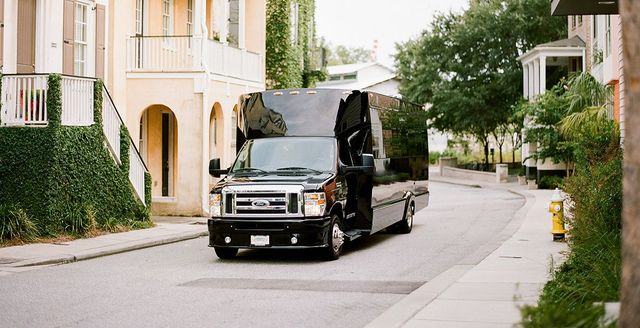
Planning transportation for a group event can feel overwhelming, especially when timing, comfort, and coordination all need to align perfectly. Regardless of whether the event is work-related, social, or festive, how guests travel impacts their overall perception. A well-organized plan helps reduce stress, keeps everyone on schedule, and creates a sense of ease for attendees. Moving guests efficiently requires careful planning to copyright the event’s flow and tone. Efficient coordination allows attendees to concentrate on the event instead of travel issues. Well-planned travel becomes an integrated element of the event.
Lowcountry Valet understands how critical details influence successful event logistics. Years of coordinating group movements have shown that preparation, communication, and flexibility are key elements in delivering a polished experience. Although complex planning is required, attendees should perceive transportation as easy and smooth. Anticipating needs ahead of time allows schedules to remain intact and expectations to be exceeded. When transportation is handled properly, it enhances the event’s tone and elevates the overall atmosphere. These insights are designed to help planners and hosts create organized, smooth-running events that leave a lasting impression.
Defining the Scope for Group Travel
The first step in managing group transportation successfully is understanding the full scope of the event. Consider the number of attendees, type of gathering, and full schedule. Event type dictates travel requirements, and early clarity prevents issues. Guest expectations, arrival times, and departure windows all play an important role in shaping the plan. By clearly outlining these factors early, transportation can be aligned with the event’s flow rather than becoming an afterthought. Documenting the full picture establishes a foundation for seamless logistics.
Focus on the atmosphere and quality of travel for attendees. Travel can influence first impressions and set expectations for the celebration. Knowing the tone—sophisticated or casual—guides vehicle choices and timing. Group size alone does not define the scope, as staggered arrivals or multiple destinations can add complexity. Careful planning ensures all guests are accommodated. Mindful planning ensures transportation complements the occasion.
Creating a Detailed Transportation Timeline
A detailed timetable keeps group transportation running smoothly. Establishing specific pickup and drop-off windows helps maintain structure while allowing room for minor adjustments. Transport timing should correspond to the event plan and travel needs. Matching transit with the timeline reduces interruptions and improves flow. Planning buffer time between movements reduces stress and helps accommodate unexpected changes. A thoughtful timeline keeps the entire group moving together without feeling rushed.
Sharing the schedule ensures the timeline works smoothly. Guests and coordinators must be informed of travel details and schedules. Clear expectations prevent confusion and reduce the likelihood of missed connections. Effective updates let attendees enjoy the event without worrying about transit. Timelines also support drivers and coordinators by providing a shared framework for execution. When everyone operates from the same plan, logistics feel seamless and organized.
Selecting the Right Vehicles for Group Needs
Selecting the right cars or buses determines the effectiveness of group travel. Group numbers, travel distance, and comfort expectations shape the selection. Spacious interiors ensure a relaxed journey for everyone. Interior features also contribute to the overall experience, especially during longer rides. Vehicle selection that aligns with the occasion strengthens the overall impression. Correct choices improve the flow and enjoyment of the event.
Beyond capacity and comfort, accessibility and ease of entry should be considered. Guests may have different requirements, which must be anticipated. Transport that facilitates quick, safe boarding maintains timeliness and comfort. Visual consistency among vehicles can also create a cohesive look for the event. A coordinated fleet enhances perception of the event. Focus on these elements demonstrates high service standards.
Overseeing Expert Drivers and Support Teams
Experienced drivers play a key role in seamless group travel. Their experience allows them to anticipate challenges and adapt quickly when conditions change. Effective communication ensures drivers are aligned with timing and guest needs. Lowcountry Valet combines meticulous preparation with professional driving to keep operations smooth. Professionalism behind the wheel contributes to punctuality, safety, and overall guest comfort. Effective teamwork fosters confidence for everyone involved.
Support systems behind the scenes further strengthen transportation logistics. Ongoing communication between coordinators and chauffeurs allows adjustments to be made in real time. Adaptive planning ensures minimal disruption from small changes. Knowledgeable chauffeurs deliver calm and dependable service. The combination of preparation and adaptability ensures transportation remains reliable. This method ensures more info reliability and reinforces a pleasant guest journey.
Managing Guest Communication Effectively
Informing attendees clearly is key to smooth group travel. Sharing concise directions allows participants to arrive prepared. When details are shared in advance, guests arrive prepared and confident. Uniform communication minimizes confusion and inquiries. Guidelines should be direct but comprehensive, covering all key logistics. Attendees who understand the plan help travel flow efficiently.
Reinforcing information as the event approaches can further improve coordination. Reminders help ensure everyone stays aligned with the transportation plan. This proactive approach demonstrates organization and attention to detail. Guests appreciate clarity, especially when navigating group movements. Clear messaging builds confidence and collaboration among guests. Guided participants allow logistics to function seamlessly.
Preparing for Last-Minute Adjustments
Even the most carefully planned events can encounter unexpected changes. Building flexibility into transportation logistics allows adjustments without disrupting the overall experience. Including buffer periods mitigates delays and reduces tension. Foreseeing problems allows organizers to act with ease. Flexibility ensures that transportation remains dependable even when conditions shift. This adaptability is a hallmark of well-managed event logistics.
Planning ahead requires protocols for unforeseen circumstances. Defined communication methods reduce disruption during changes. Responsive plans maintain flow and attendee satisfaction. Travel must remain consistent and dependable despite shifts. This resilience enhances the event’s professionalism. Smooth operations increase guest satisfaction.
Maximizing the Impact of Transportation on Events
Group transportation plays a significant role in shaping the overall event experience. Seamless travel creates a welcoming atmosphere and enhances event value. Ease, timeliness, and expert service enhance attendee enjoyment. Travel must integrate naturally into the event rather than feel separate. Coordinated travel enhances the flow and tone of the event. Attention to detail improves the overall guest journey.
In the final stages of the event, transportation leaves a lasting impression. Smooth send-offs leave a favorable final impression. Lowcountry Valet approaches this phase with the same level of care as arrivals, ensuring consistency from start to finish. Attendees value a seamless conclusion to the experience. Careful coordination underscores the importance of professional travel management. A well-executed departure completes the event experience with confidence and ease.